Executive Summary
The next generation should inherit more than assets. They should inherit the judgment to use them well.
Cerulli Associates estimates that $124 trillion will transfer through 2048, including $105 trillion expected to flow to heirs. For business-owner families, the transfer may include far more than a portfolio. It may include a privately held company, real estate, trusts, partnerships, direct investments, family reputation, and responsibilities built over decades.
Estate documents can transfer legal ownership. They cannot, by themselves, prepare a child or grandchild to make good decisions, work productively, communicate through conflict, or preserve the values that created the wealth.
The most durable plans prepare the people and the assets at the same time. That means teaching financial judgment, sharing the family story, defining roles, practicing decision-making, and building governance before control changes hands.
The Bespoke next generation framework
- 1Story – Preserve the history, values, and purpose behind the wealth.
- 2Skills – Build financial literacy, judgment, work ethic, and resilience.
- 3Communication – Create an age-appropriate pattern of transparency and dialogue.
- 4Governance – Define ownership, leadership, employment, and decision rights.
- 5Stewardship – Give responsibility in stages and review the plan over time.
Source: Cerulli Associates, December 2024. Projection, not a guarantee.
THE RISK OF AN UNPREPARED WEALTH TRANSFER
Wealth transfer can expose issues money cannot solve.
These patterns can weaken family alignment, create unnecessary conflict, or place responsibility on someone before they are prepared to carry it.
THE BESPOKE FAMILY CAPITAL FRAMEWORK
A strong legacy preserves more than financial capital.
We use five forms of family capital as a planning lens. Financial capital matters, but it is most durable when the other forms are intentionally developed alongside it.
A READINESS ROADMAP
Responsibility should expand as capability grows.
Readiness is not tied to one age. The right pace depends on maturity, experience, family circumstances, and the complexity of the assets.
FAMILY COMMUNICATION
Tell the story before the numbers.
Transparency does not mean disclosing every dollar to every child at once. It means creating a consistent, age-appropriate conversation so wealth is not surrounded by secrecy, fear, or surprise.
BUSINESS SUCCESSION AND GOVERNANCE
Ownership, leadership, employment, and family membership are different roles.
In a family business, conflict often begins when these roles are blurred. Each role should have clear qualifications, authority, economics, and accountability.
Ownership
Who holds equity? What are the voting, liquidity, distribution, transfer, and buy-sell rights?
Leadership
Who runs the company? How is that person selected, evaluated, compensated, and replaced?
Employment
Who may work in the business? What experience is required? How are reporting lines and compensation handled?
Governance
How are major decisions made? What roles belong to the board, family council, trustees, and independent advisors?
Questions to Answer Before Control Changes
- 1Does the business need family leadership, family ownership, or both?
- 2Are roles earned through capability and experience?
- 3How will active and inactive owners be treated?
- 4Who decides distributions, reinvestment, sale, or recapitalization?
- 5What happens if a family member wants liquidity or cannot serve?
- 6Which independent advisors or directors should have a seat at the table?
The Next Generation Readiness Assessment
Before transferring significant ownership, control, or responsibility.
Mark each statement Yes, No, or Not Yet. The purpose is not to produce a score for its own sake. It is to identify the decisions that deserve attention before responsibility changes hands.
A DISCIPLINED PROCESS
Tailored planning does not mean improvised planning.
Each business-owner family has different people, assets, dynamics, and a different definition of legacy. The plan should be custom-tailored, but the process should stay disciplined.
A PERSONAL PERSPECTIVE
A family’s greatest legacy is not the amount transferred. It is the capability, unity, and purpose that survive the transfer.
At Bespoke Capital, our practice is built around successful privately held business owners. We help owners become financially independent of their businesses and prepare for the decisions that follow.
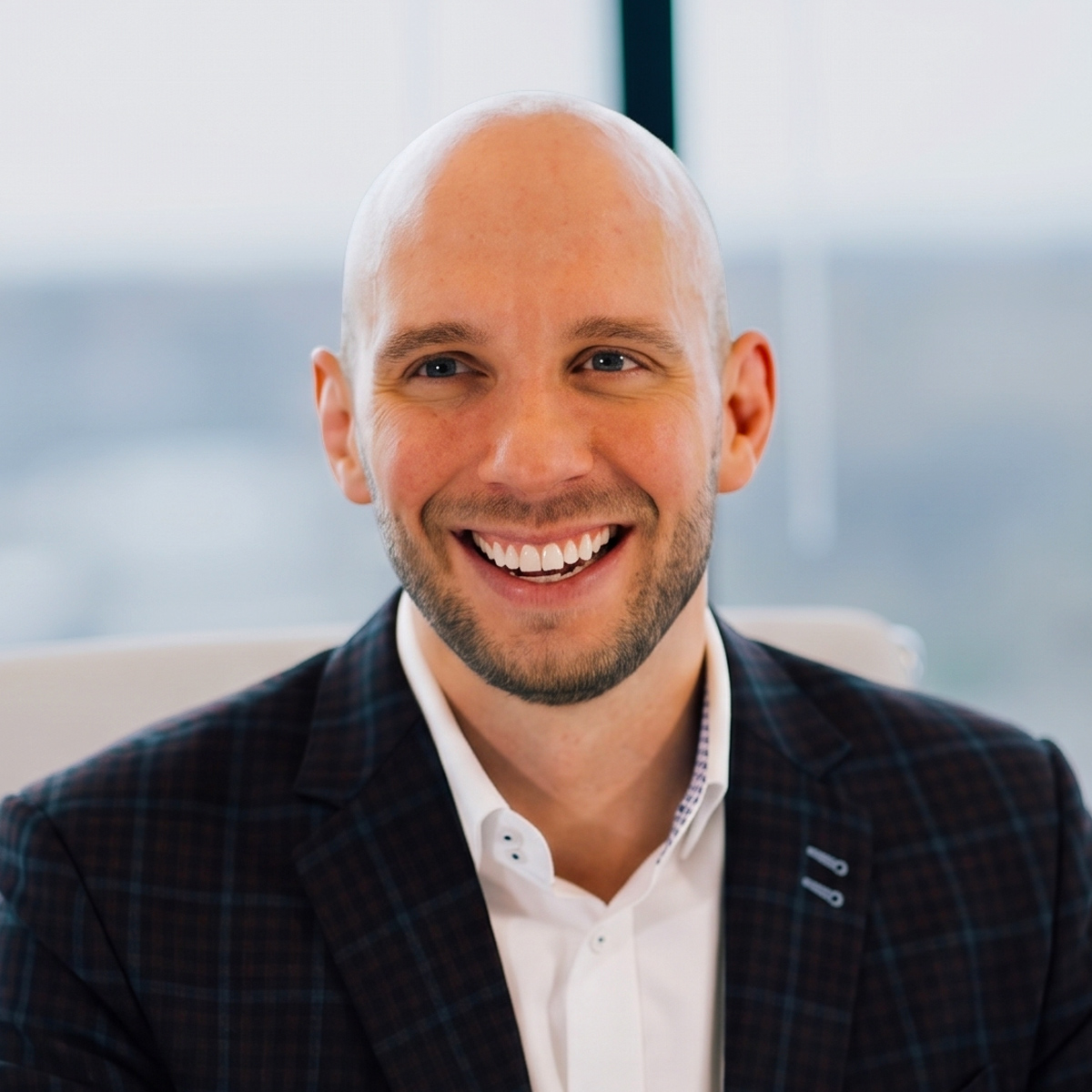
As a father, I think about many of the same questions our clients face. How do you create opportunity without removing the need to grow? How do you share success without making money the center of a child’s identity? How do you prepare the people you love to make good decisions when the responsibility eventually becomes theirs?
There is no perfect formula. But silence is not a strategy. The strongest families start earlier, communicate clearly, give responsibility in stages, and surround the next generation with advisors and mentors who can help.
Why work with specialists
If you are a business owner beginning to think about how children or grandchildren will inherit responsibility, not just assets, we invite you to schedule a confidential conversation. Together, we can help you connect the estate plan, business succession, family education, governance, investments, and philanthropy into one coordinated strategy.
Contact us at cody@bespokecap.com to begin the discussion.
Important Disclosures
This whitepaper is provided for educational and informational purposes only and does not constitute tax, legal, investment, financial, business, valuation, transaction, or other professional advice. It is not an offer, solicitation, or recommendation to buy or sell any security, business interest, or other asset. No representation is made that any transaction, planning strategy, valuation, tax result, sale price, or other outcome will be achieved.
Examples and questions included in this whitepaper are general and may be hypothetical or illustrative. They are not intended to represent any specific client, company, transaction, investment recommendation, or strategy. Actual outcomes depend on individual facts, market conditions, buyer interest, deal structure, professional execution, and other factors.
Tax laws, deal structures, legal agreements, valuation methods, accounting standards, estate-planning techniques, and market conditions are complex and subject to change. Certain planning strategies require substantial lead time and may not be available or appropriate in every situation. You should consult your own qualified tax advisor, attorney, accountant, valuation professional, investment banker, and financial professional before taking action. Raymond James and its financial advisors do not provide tax or legal advice.
Securities offered through Raymond James Financial Services, Inc., member FINRA/SIPC. Investment advisory services are offered through Raymond James Financial Services Advisors, Inc. Bespoke Capital is not a registered broker/dealer and is independent of Raymond James Financial Services.
This content was created with the assistance of artificial intelligence (AI) and reviewed for quality and relevance. AI-assisted content may not reflect all current developments or nuanced human perspectives.
© 2026 Bespoke Capital. All rights reserved.
